
When we talk about modern corporate environments, two concerns immediately come to mind: employee well-being and the image the company projects. This is where the importance of combining ergonomics and aesthetics comes in. After all, a beautiful space that isn’t comfortable falls short—and investing only in ergonomic furniture that doesn’t align with the company’s visual identity misses the mark as well. The real differentiator lies in finding the balance between functionality and design, creating environments that care for people while strengthening the brand.
Throughout this article, we’ll explore how to choose furniture that combines ergonomics and aesthetics, with practical examples, detailed tips, and solutions suitable for different types of offices. The concept of ergonomics and aesthetics will be examined from multiple perspectives, highlighting its relevance to productivity, health, corporate branding, and even internal marketing strategies.
Why ergonomics and aesthetics must go hand in hand in offices
Many leaders see ergonomics and aesthetics as separate concepts. This perspective, however, limits the potential of the workplace. Ergonomics is directly linked to employee health and productivity, helping prevent muscle pain, fatigue, and occupational injuries. Aesthetics, on the other hand, shapes how the space is perceived by employees and visitors, conveying credibility, innovation, and cultural alignment.
When ergonomics and aesthetics are combined, offices become more harmonious, reducing medical leave while reinforcing corporate image. This combination strengthens employees’ sense of belonging and fosters a more positive relationship between people and the company.
How visual identity influences corporate furniture
Choosing office furniture goes far beyond selecting functional desks and chairs. Every detail should align with the company’s visual identity. Colors, textures, materials, and even furniture shapes can express brand values and positioning.
For example, a technology company focused on innovation may opt for futuristic desks and bold, contemporary seating. A more traditional financial institution may favor wood and leather finishes that convey stability and trust. This coherence between ergonomics and aesthetics helps build a strong, authentic visual narrative.
- Colors: use the brand palette in furniture or details such as upholstery and partitions.
- Materials: metal and glass suggest modernity; wood conveys warmth and tradition.
- Design: straight lines reinforce formality; curves create dynamism and approachability.
Criteria for choosing furniture that balances ergonomics and aesthetics
Purchasing corporate furniture requires careful evaluation to ensure ergonomics and aesthetics are well balanced. The key is not prioritizing one over the other, but finding integrated solutions that enhance both. Important criteria include:
- Adjustability: height-adjustable chairs, lumbar support, and adjustable armrests are essential.
- Comfort: breathable fabrics and pleasant-to-the-touch surfaces improve the user experience.
- Durability: high-quality materials ensure long-term value.
- Visual harmony: each piece should work as part of a cohesive whole.
- Functionality: desks with built-in storage or acoustic panels can optimize space.
Practical examples of ergonomics and aesthetics in offices
To better visualize how ergonomics and aesthetics work together, here are some common solutions in modern offices:
- Height-adjustable desks: allow employees to alternate between sitting and standing without compromising design.
- Reception seating: should provide immediate comfort while reinforcing brand identity from the first impression.
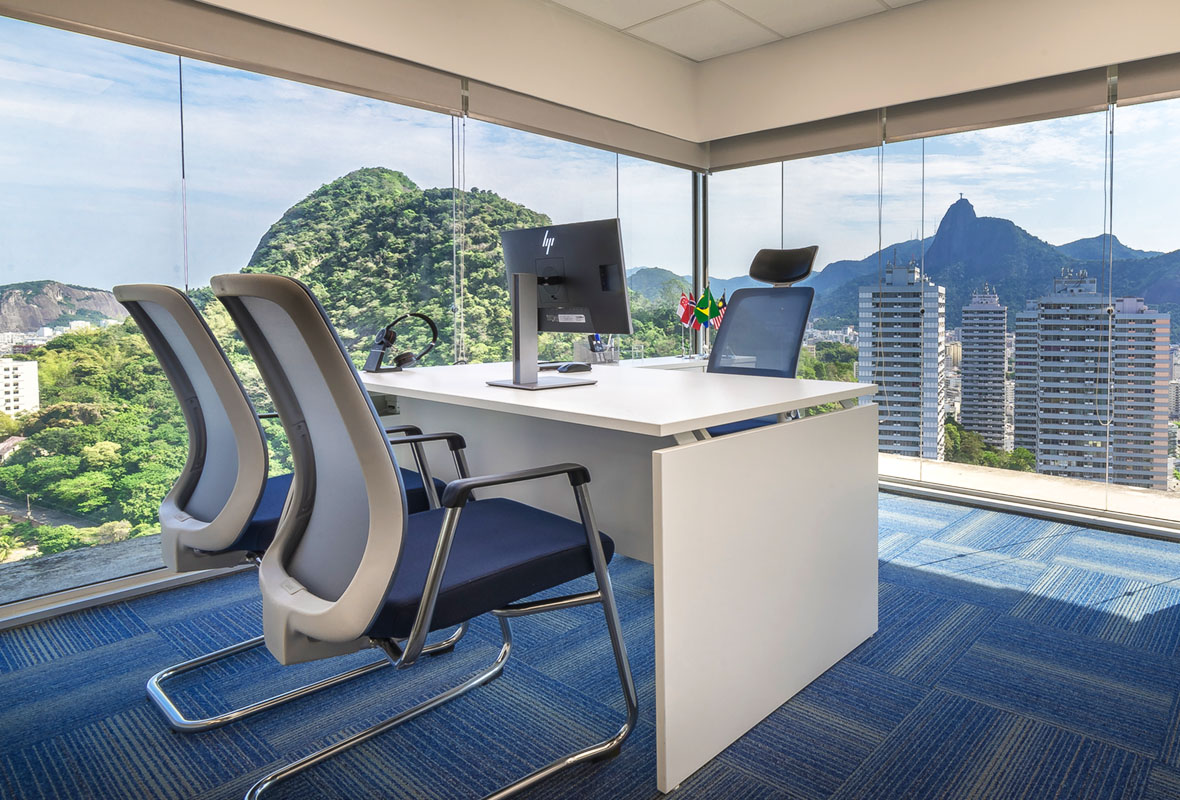
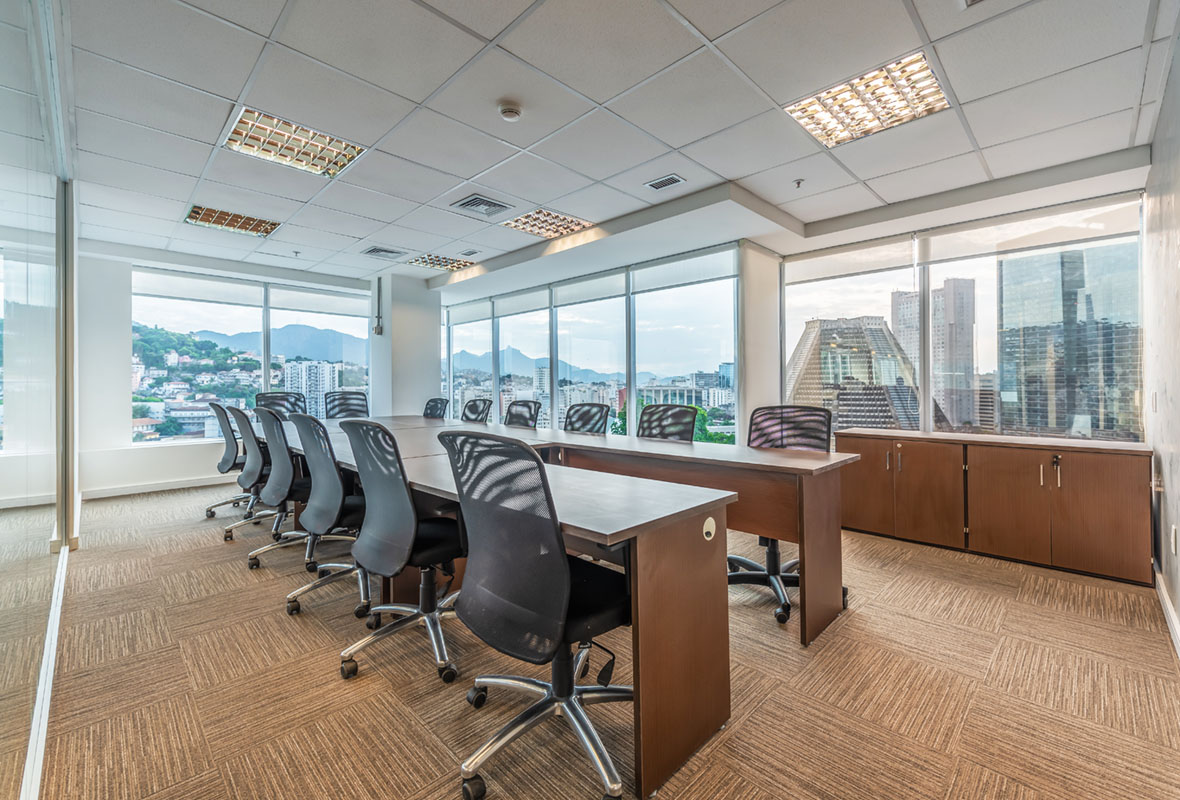
- Meeting rooms: ergonomic chairs paired with refined table finishes balance comfort and visual impact.
- Corporate lounges: modular sofas support flexibility while adding style.
The impact of ergonomics and aesthetics on productivity
Well-designed environments have a direct impact on motivation and productivity. Studies show that employees working in ergonomic spaces experience less discomfort, leading to better focus and efficiency. When ergonomics is combined with aesthetics, the effect is even stronger: employees feel valued, inspired, and more connected to the company culture.
Offices that strategically apply ergonomics and aesthetics often see reduced absenteeism and higher engagement levels. These environments also become a competitive advantage in attracting and retaining talent.
Aligning ergonomics and aesthetics across different office areas
Not all office spaces have the same requirements. The balance between ergonomics and aesthetics should adapt to the function of each area:
- Reception: welcoming and representative of the company’s essence.
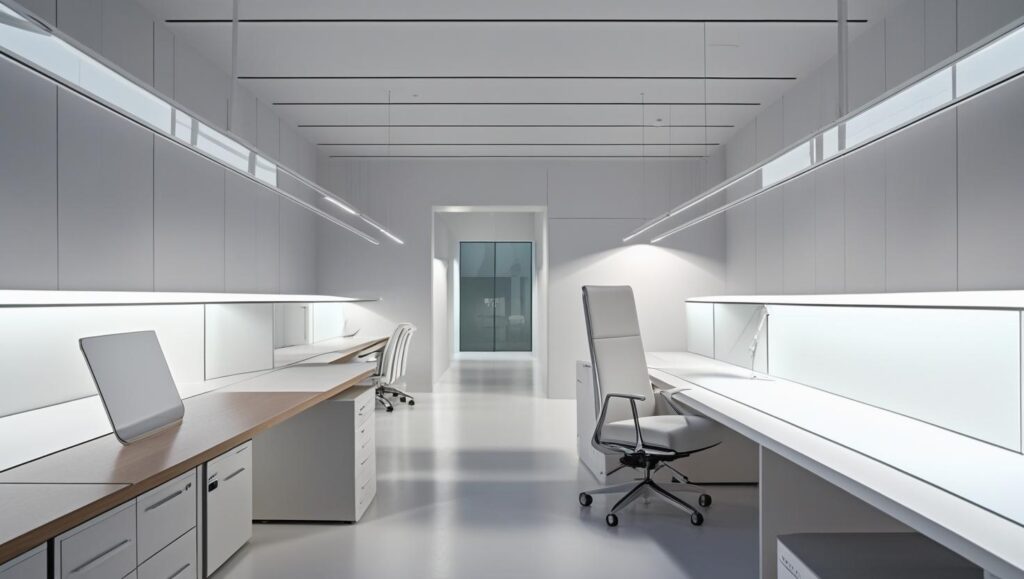
- Workstations: strong focus on ergonomics, with consistent visual language.
- Meeting rooms: a balance between formality and comfort for long discussions.
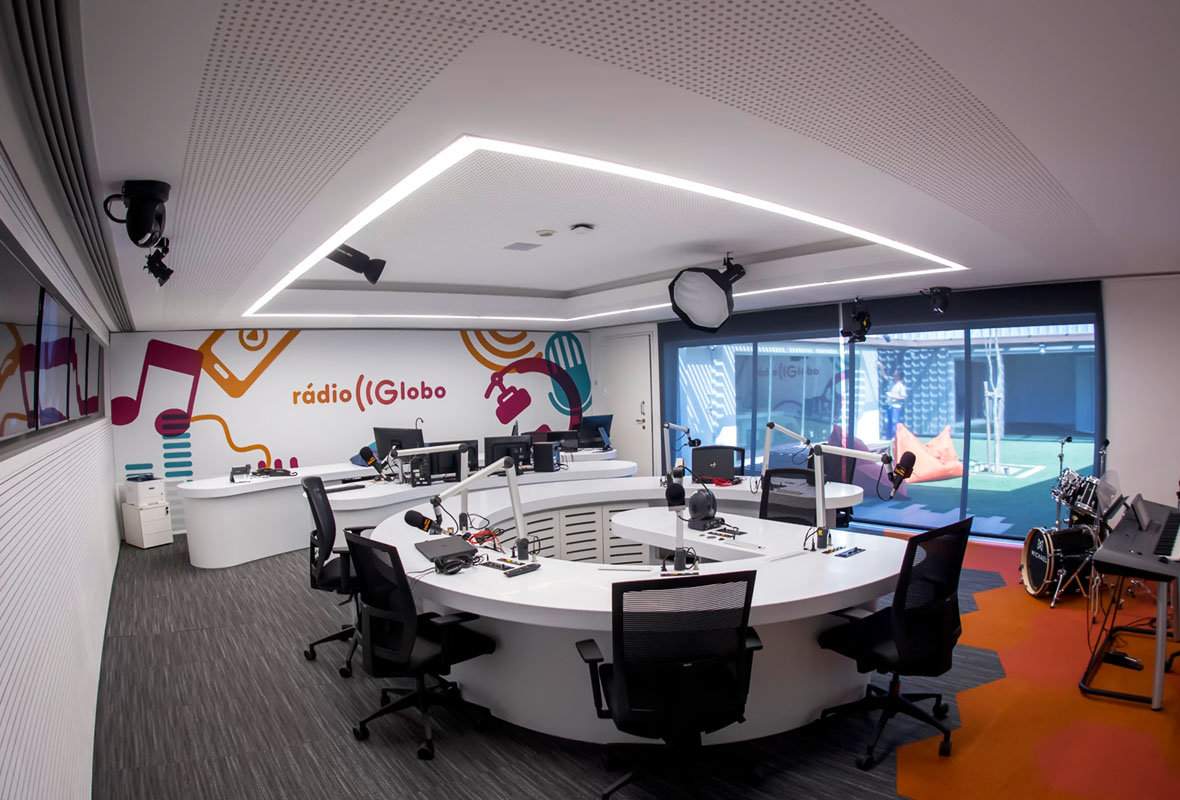
- Breakout areas: relaxed, comfortable furniture that encourages interaction.
The role of sustainability in ergonomic and aesthetic furniture choices
Another important trend is combining ergonomics, aesthetics, and sustainability. Furniture made from recyclable materials, certified wood, and responsible manufacturing processes reinforces a company’s environmental commitment. Many sustainable options also feature innovative, functional designs.
Companies that adopt this approach communicate responsibility and care—values that become even more tangible when reflected in the physical workspace. In this sense, ergonomics and aesthetics, combined with sustainability, amplify the positive impact of furniture choices.
Conclusion: ergonomics and aesthetics as a business strategy
More than a design preference, the combination of ergonomics and aesthetics should be seen as a management strategy. The right furniture boosts productivity, protects employee health, and clearly communicates the company’s visual identity. This balance is essential for building a healthy, inspiring, and competitive corporate environment.
Now that you understand the importance of uniting ergonomics and aesthetics, take a look at your office: are your current furniture choices truly reflecting your brand and caring for the people who work there?
Questions to encourage engagement
Do you believe your workplace already balances ergonomics and aesthetics? Which pieces of furniture would you change first to better align comfort and visual identity? Share your thoughts with us.
FAQ
Why are ergonomics and aesthetics important in offices?
The combination of physical comfort and visual design directly impacts productivity, health, and brand identity.
How can I choose furniture that balances ergonomics and aesthetics?
Look for adjustability, comfort, visual harmony, and alignment with your corporate identity.
Can sustainable furniture also be ergonomic and aesthetic?
Yes. Many sustainable options offer innovative designs that balance function and style.
Is it worth investing in custom furniture?
Yes. When the budget allows, custom furniture ensures a better fit for both functional needs and visual identity.