
When a company decides to renovate an office, move to a new headquarters, or implement a new corporate space, the decision is rarely simple. It involves investment, a direct impact on operations, timeline expectations, and—most importantly—risks that are not always clear at the beginning of the process.
It is in this context that the term turnkey corporate architecture often comes up. For some companies, it sounds like a practical solution. For others, it is still a somewhat unclear concept, often confused with simply a “full construction project.”
The truth is that turnkey corporate architecture goes far beyond that. It represents a shift in the way corporate projects are managed, especially for companies that cannot afford mistakes, delays, or unexpected costs.
In this article, we will take an in-depth look at what turnkey corporate architecture is, how this model works in practice, and when it truly makes sense for a company.
Understanding this process is essential, as improper use can lead to undesirable results. Turnkey goes beyond simply reducing construction costs.
What is turnkey corporate architecture
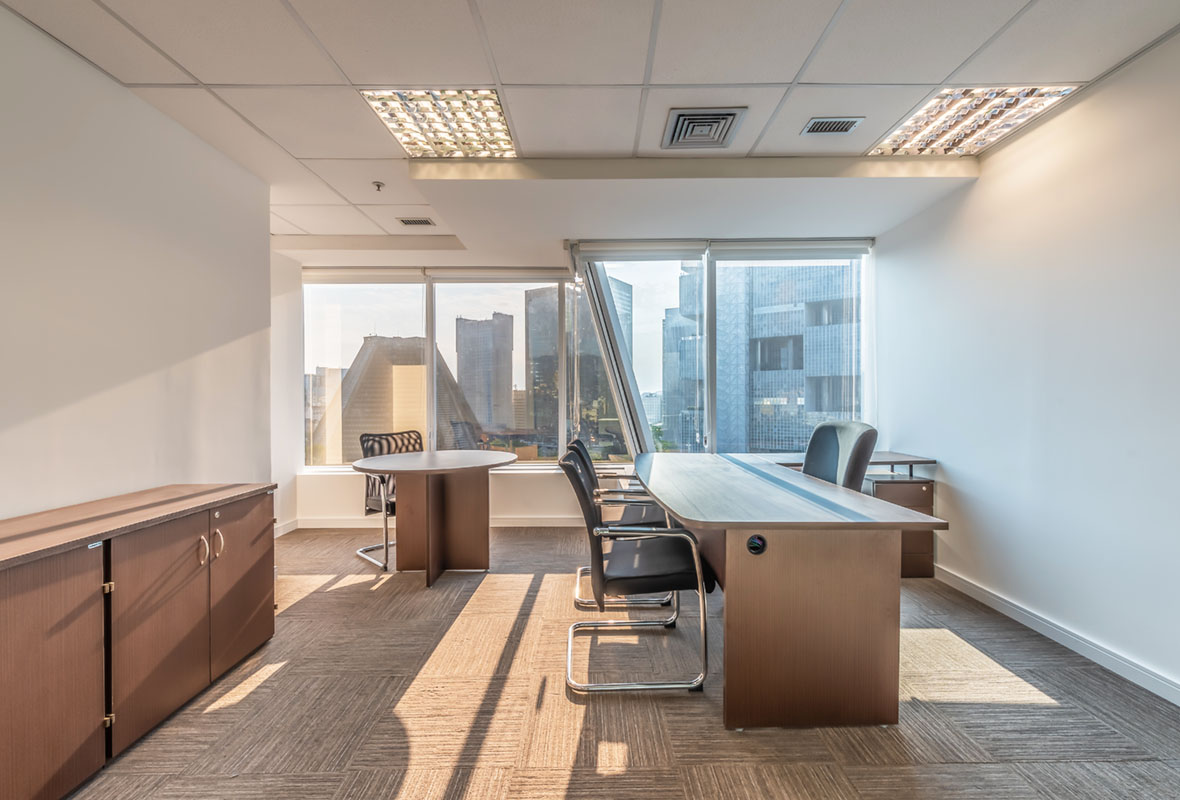
Turnkey corporate architecture is a contracting model in which a single firm takes full responsibility for the entire process, from the initial planning decisions to the final delivery of a space that is ready for use.
This includes:
- understanding the company’s operations
- technical planning
- architectural and executive design
- coordination of all disciplines
- construction execution
- management of schedules, costs, and suppliers
In practice, this means the contracting company does not need to coordinate designers, contractors, suppliers, or isolated technical decisions. The entire process is centralized under a single party, with a comprehensive, end-to-end view of the project.
The term turnkey comes from the expression “key in hand.” At the end, the client receives a completed space that is fully functional and ready for operation. In the corporate context, however, when its true essence is respected, this concept goes beyond the physical result. It involves predictability, clear technical accountability, and risk reduction.
It is important to highlight one essential point:
Turnkey corporate architecture is not just about executing the construction.
A true turnkey model requires deep planning, a complete executive design, technical coordination between systems, constant oversight, and active process management. Without this, the term becomes merely a commercial label.
When properly applied, this model addresses one of the biggest challenges of traditional corporate projects: fragmented responsibilities, where no one is accountable for the whole—and the company ends up assuming risks it should not have to bear.
How turnkey corporate architecture works in practice
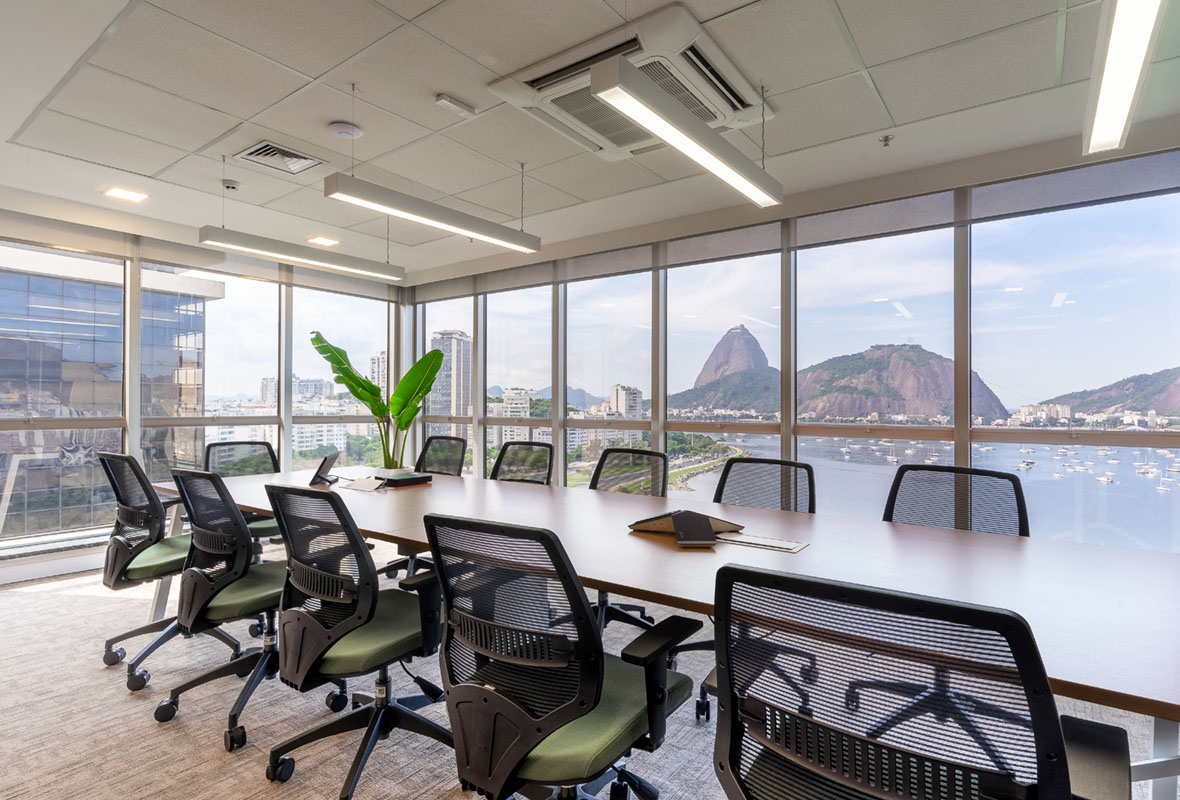
To understand why this model is so highly valued by companies, it is important to look at the process as a whole.
Initial diagnosis and planning
The starting point of a turnkey project is not the design, but the diagnosis.
At this stage, the firm analyzes the space, gains a deep understanding of the company’s operations, the number of employees, the work model, growth projections, as well as technical and regulatory requirements.
This initial assessment makes it possible to anticipate issues that, in poorly structured traditional models, would only emerge during construction—when corrections are more expensive and far more disruptive.
Here, planning stops being a bureaucratic step and becomes the foundation for the project’s success.
Complete and detailed executive design
In the turnkey model, the project is not merely conceptual or aesthetic. It is technical, highly detailed, and designed to be executed without improvisation.
The executive design clearly defines:
- construction solutions
- materials
- systems
- coordination between disciplines
- execution criteria
This level of definition enables more realistic budgets, more reliable schedules, and drastically reduces rework and last-minute adjustments.
Corporate construction execution
During the construction phase, the key differentiator of the turnkey model is continuity.
The same team that developed the design oversees and coordinates the execution.
This avoids the classic conflicts between design and construction, ensures fidelity to the original plan, and minimizes emergency decisions. The company does not need to manage the construction site or mediate technical issues between suppliers.
Management of timelines, costs, and suppliers
Corporate construction management is a central element of turnkey corporate architecture.
Schedules, costs, and quality are monitored continuously, with clear communication and decision-making based on planning—not improvisation.
For the company, this translates into something essential: predictability
When turnkey corporate architecture truly makes sense
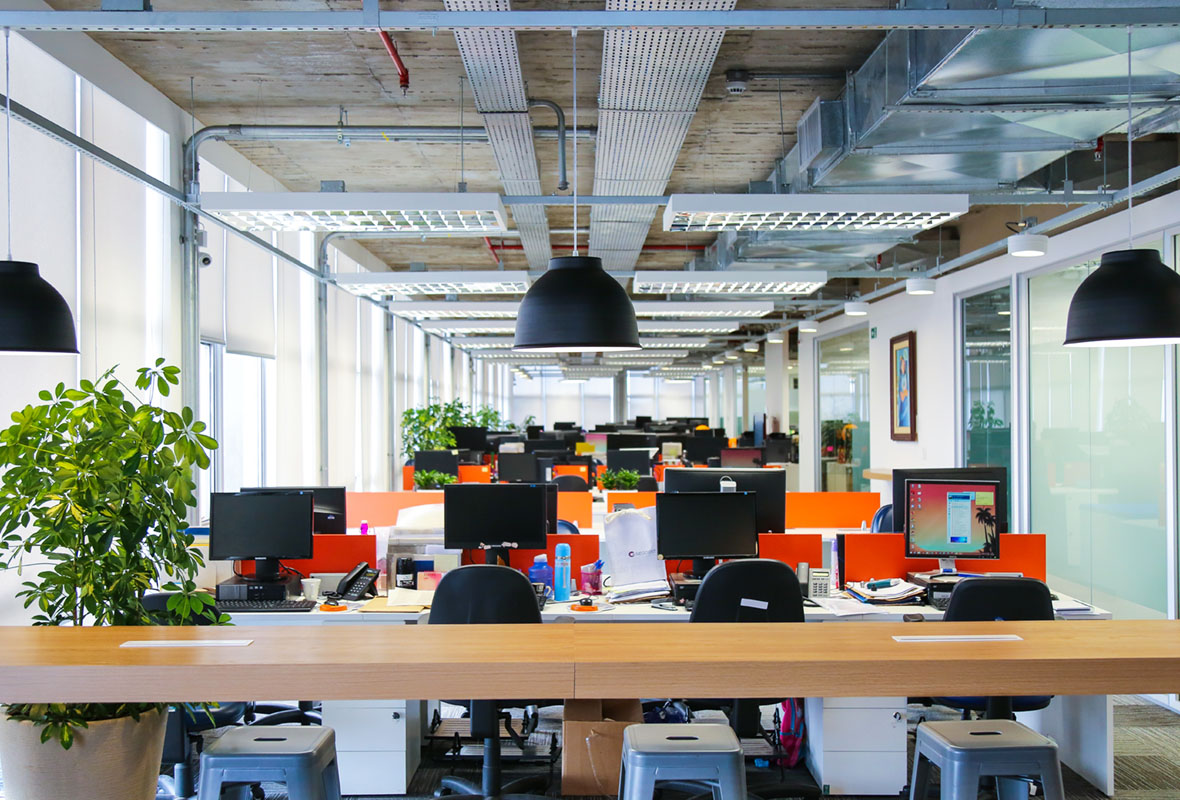
Although this model can be applied in different contexts, it becomes especially advantageous in certain situations.
Companies undergoing growth or relocating headquarters
When a company is expanding, mistakes in layout, infrastructure, or space sizing have a direct impact on the future of the business. A well-developed and highly detailed project within a turnkey process helps align the space with the company’s strategy from the very beginning.
Corporate office renovations with ongoing operations
When a company cannot afford to stop operations, planning and coordination become critical. A well-planned corporate construction process reduces disruptions to daily activities, avoids productivity losses, and minimizes internal strain.
Companies that cannot assume technical or financial risks
Organizations with strict compliance requirements, rigorous standards, or a strong institutional image benefit from the centralized technical responsibility provided by the turnkey model.
Decision-makers who do not want to manage construction
Executives, managers, and business leaders should not have to spend time coordinating suppliers or solving construction-related issues. The turnkey model removes this burden and allows full focus on the company’s core business.
Is turnkey corporate architecture more expensive?
This is one of the most common questions—and it’s a fair one.
The initial cost of a turnkey project may seem higher when compared only to the fee of a standalone design service. However, this comparison overlooks the total cost of the entire process.
Poorly structured, fragmented models without proper management often lead to:
- constant change orders
- rework
- delays
- hidden costs
The turnkey model does not eliminate unforeseen issues entirely, but when properly planned, it significantly reduces both their frequency and their impact. In practice, many companies find that the investment pays for itself by avoiding costly mistakes.
Main mistakes when hiring corporate architecture without a turnkey approach
Some mistakes occur repeatedly in corporate projects:
- starting construction without a complete executive design
- separating design and construction without technical coordination
- comparing proposals based solely on price
- underestimating the complexity of execution
These issues rarely appear at the beginning. They tend to surface during construction, when corrections are far more costly—both financially and operationally. For this reason, a well-detailed project within a solid planning framework is essential to the success of a turnkey process.
Frequently asked questions about turnkey corporate architecture
Does turnkey corporate architecture include construction?
Yes. Design, construction, and management are all part of the same scope.
Can any company hire turnkey corporate architecture?
Yes, especially companies seeking predictability and risk reduction.
Does turnkey eliminate all unforeseen issues?
No. It does not eliminate them entirely, but when properly planned, it can significantly reduce both their frequency and impact.
What is the difference between turnkey and construction management?
In the turnkey model, responsibility is unified—from initial planning through final delivery.
Conclusion
Turnkey corporate architecture is neither a luxury nor a passing trend.
It is a practical response to the growing complexity of today’s corporate projects.
When properly applied and aligned with its core principles, it delivers control, predictability, and peace of mind for companies that cannot afford mistakes. More than creating a visually appealing space, this model provides security for the business itself.
If the office is a strategic tool for the company, it makes sense to treat it with the same level of planning and responsibility.
View corporate projects developed under the turnkey model
Get in touch to see if this approach is right for your company