
In an increasingly dynamic and collaborative corporate world, excessive noise has become one of the greatest challenges to employee well-being and productivity. This is where acoustic solutions integrated into design stand out. More than simply reducing unwanted noise, these solutions combine aesthetics and functionality, creating spaces that are visually appealing and acoustically comfortable. When applied strategically, they improve concentration, stimulate creativity, and enhance the quality of work.
Adopting acoustic solutions integrated into design means planning sound absorption, diffusion, and control from the very beginning of the architectural project. This goes far beyond installing panels or soundproof partitions—it involves selecting materials, layouts, and furniture that work together to achieve effective results. Throughout this article, we explore practices, examples, and tips that show how design and acoustic comfort can be combined to create more productive corporate environments.
Why invest in acoustic solutions integrated into design
Noise is one of the main distractions in open offices and shared spaces. Ringing phones, side conversations, and equipment noise can cause stress and reduce focus. By implementing acoustic solutions integrated into design, companies not only minimize these issues but also create healthier, more attractive environments. The investment results in higher employee satisfaction, fewer errors, and increased productivity.
Another important factor is that acoustic comfort directly influences how clients perceive a space. Welcoming visitors into an environment that conveys calm and organization strengthens brand image and demonstrates professionalism. By combining aesthetics and performance, these solutions add value to corporate spaces.
Principles of acoustic comfort applied to design
For acoustic solutions integrated into design to be effective, it’s essential to understand the core principles of acoustic comfort, including:
- Sound absorption: using materials that capture sound and reduce reverberation.
- Sound diffusion: evenly distributing sound to avoid areas with too much or too little noise.
- Acoustic isolation: physical barriers that prevent sound from traveling between spaces.
- Sound source control: strategic placement of equipment and social areas.
Integrating these principles from the start allows acoustics to become part of the space’s DNA, rather than an afterthought..
Materials and finishes for acoustic solutions integrated into design
Choosing the right materials is essential for acoustic solutions integrated into design to perform well. Fabrics, carpets, acoustic ceilings, and upholstered partitions are just a few examples of sound-absorbing elements. Natural materials such as wood and cork can also contribute to acoustic comfort without compromising aesthetics.
Finishes also play a key role in the final result. Smooth, hard surfaces reflect more sound, while porous or textured finishes help reduce it. A well-designed project combines different materials to achieve the ideal balance between visual appeal and acoustic performance.
Integrating acoustics into layout and furniture
Acoustic solutions integrated into design are not limited to finishes and materials. Office layout and furniture choices play a significant role in noise control. Strategically positioned workstations, social areas separated from focus zones, and movable acoustic partitions are effective strategies.
Furniture such as open shelving, decorative acoustic panels, and focus booths helps create quieter micro-environments within larger spaces. This integration makes the workplace more flexible and adaptable to team needs.
The role of lighting and aesthetics in acoustic comfort
When discussing acoustic solutions integrated into design, many people focus only on sound absorption. However, lighting and aesthetics also indirectly influence how noise is perceived. Well-lit, visually balanced environments tend to feel calmer, even when sound is present. Soft colors and natural textures contribute to an overall sense of comfort.
Combining acoustics and aesthetics enhances the space and makes it more welcoming. The result is an environment that supports well-being and productivity.
Innovative technologies in acoustic solutions
In recent years, new technologies have enhanced acoustic solutions integrated into design. Intelligent acoustic panels that adapt to ambient noise levels and sound-masking systems that emit specific frequencies to neutralize unwanted noise are just a few examples.
At the same time, sustainable, high-performance materials are being developed to meet both environmental goals and aesthetic demands. These innovations enable increasingly effective and customized results.
Practical applications in corporate environments
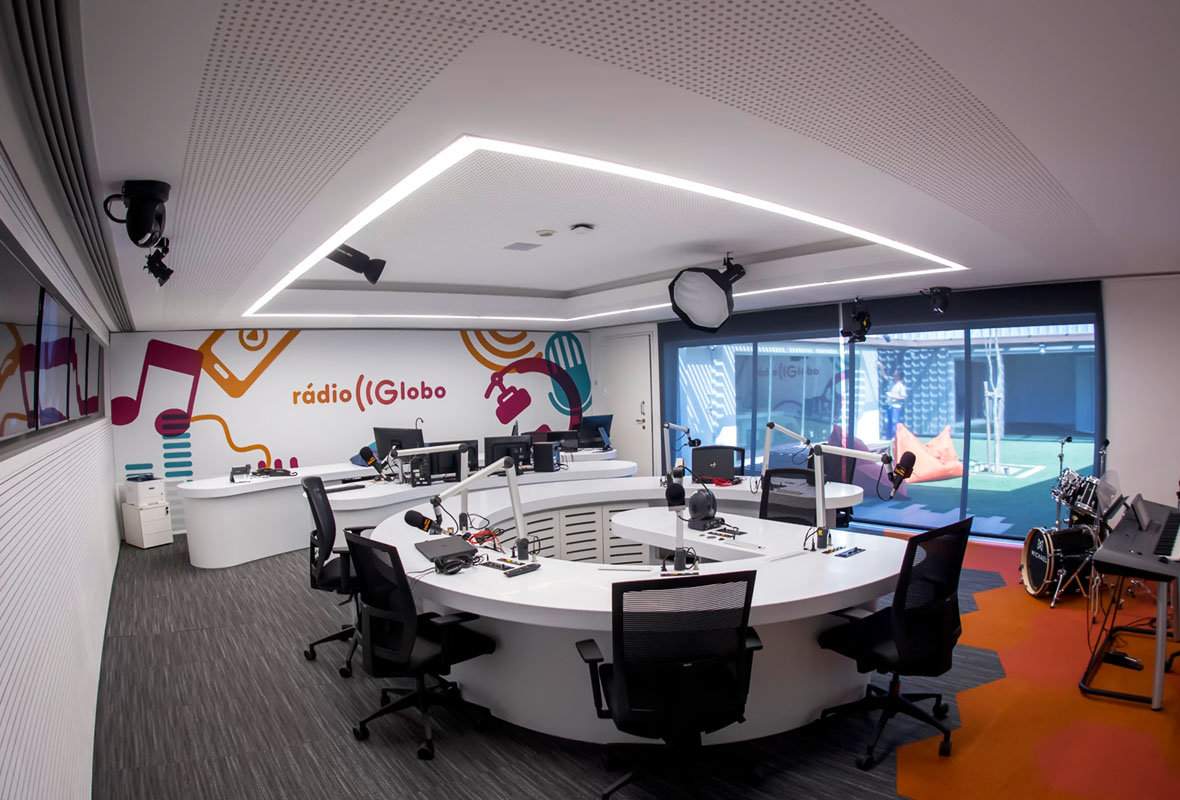
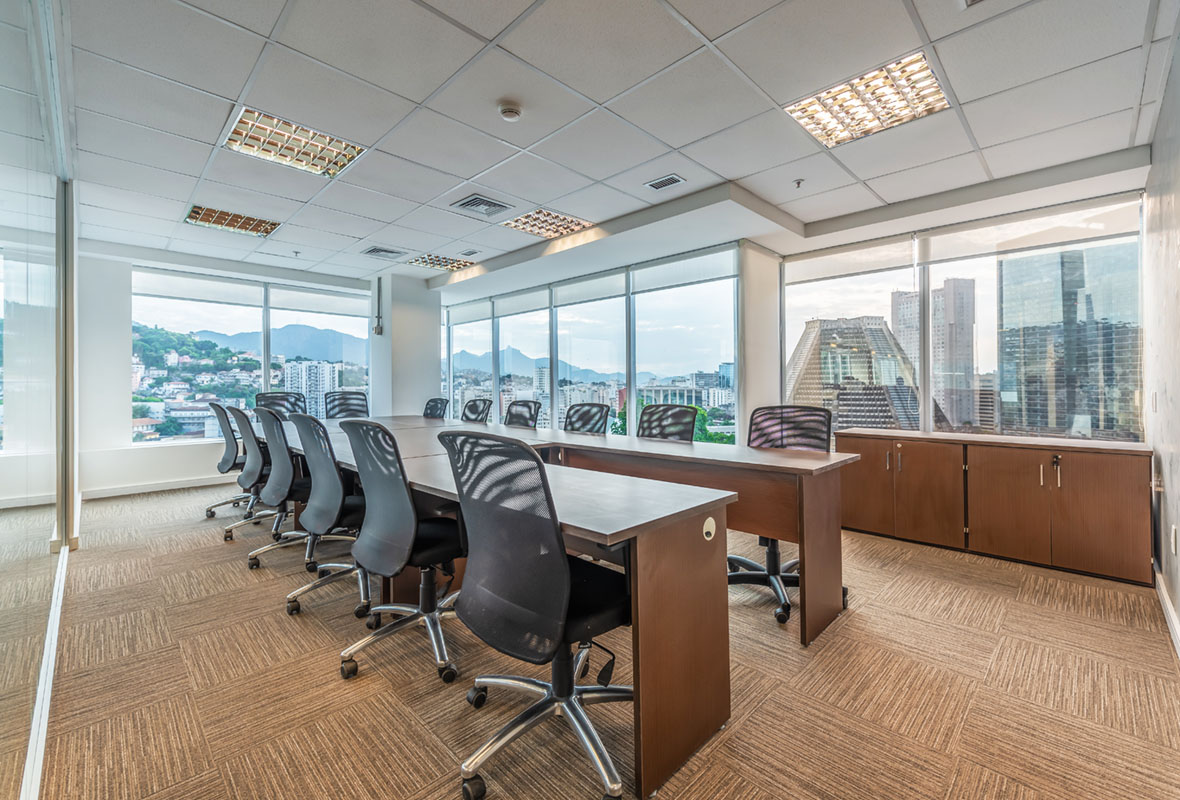
Implementing acoustic solutions integrated into design varies depending on the space. In open-plan offices, acoustic ceilings, movable partitions, and decorative sound-absorbing panels are common. In meeting rooms, wall treatments and acoustic ceilings ensure clarity during conversations and video calls.
Coworking spaces, schools, and healthcare facilities also benefit from these solutions, each with specific requirements. The key is adapting resources to the context of use to ensure functional and aesthetic results.
Long-term benefits of acoustic solutions integrated into design
By investing in acoustic solutions integrated into design, companies gain benefits far beyond immediate comfort. Reduced stress and listening fatigue improve employee health, lower absenteeism, and increase overall satisfaction. Acoustically planned environments are also more valued in the corporate real estate market.
This investment demonstrates genuine care for user well-being, strengthening the company’s reputation as an innovative and responsible organization.
How to implement acoustic solutions integrated into design step by step
To apply acoustic solutions integrated into design effectively, follow a strategic plan:
- Acoustic assessment: identify main noise sources and critical areas.
- Goal setting: define where isolation or absorption is most needed.
- Material selection: choose finishes, furniture, and technologies aligned with the project.
- Design integration: incorporate acoustic solutions into the layout, colors, and overall aesthetic.
- Monitoring: evaluate acoustic performance after implementation and adjust as needed.
Following these steps ensures a functional, attractive, and long-lasting result.
Common mistakes when addressing acoustics in design
Even with good intentions, some companies make mistakes when applying acoustic solutions integrated into design, such as addressing acoustics only at the end of the project, using unsuitable materials, over-isolating spaces and compromising aesthetics, or neglecting maintenance.
To avoid these issues, involve specialists from the beginning and choose high-quality products suited to the space’s needs.
Integrating sustainability into acoustic solutions
Acoustic solutions integrated into design can go hand in hand with sustainability. Recycled materials, natural fiber panels, and reused furniture are examples of options that combine acoustic performance with environmental responsibility. Well-planned projects also reduce waste and long-term costs.
This approach reinforces a company’s environmental commitment and enhances its image among clients and employees.
Tips for choosing partners and suppliers
Choosing the right partners is essential for successfully implementing acoustic solutions integrated into design. Look for suppliers that offer certified products, performance guarantees, and technical support. Review project portfolios and seek market references.
A strong partner will help develop customized solutions that balance aesthetics, functionality, and budget.
Conclusion: quieter, more productive environments
Acoustic solutions integrated into design represent a more advanced way of thinking about corporate spaces. By combining acoustic comfort and aesthetics, it’s possible to create healthier, more collaborative, and more productive environments. The key lies in planning and selecting materials and technologies that align with the architectural concept.
With the right approach, your company can offer spaces that support well-being, strengthen brand identity, and boost employee efficiency.
Questions for interaction
Have you already implemented—or are you planning to implement—acoustic solutions integrated into design in your workplace? What challenges do you face when managing noise day to day? Share your experiences and questions with our team.
FAQ
What are acoustic solutions integrated into design?
They are strategies and elements incorporated into architectural design to control noise and improve acoustic comfort while maintaining aesthetics.
What are the main benefits?
Higher productivity, reduced stress, better communication, and increased value of corporate spaces.
Can they be applied to existing spaces?
Yes. There are many retrofit options, such as decorative acoustic panels and movable partitions.
Are these solutions expensive?
There are options for different budgets; the key is planning based on the space’s needs.
Do I need a specialist?
Yes. Working with qualified professionals ensures more effective results and seamless integration with design.